Open‑top views, timeless stories
Ride the routes that stitch London’s landmarks together.
Table of Contents
Origins of London sightseeing
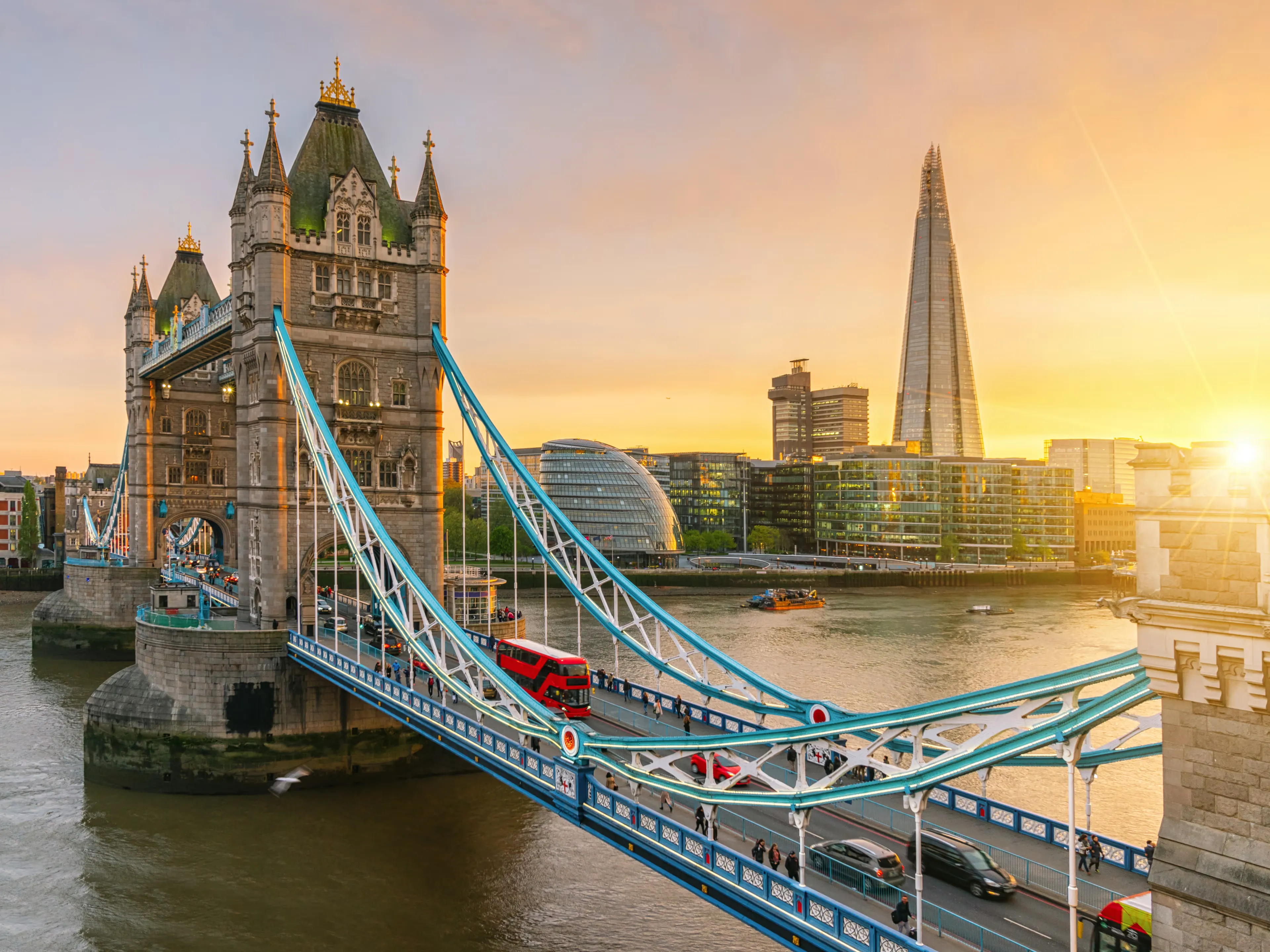
Sightseeing in London began long before microphones and maps. Visitors rode horse‑drawn omnibuses and later early motor buses simply to reach markets, museums, and theatres — and discovered that the journey itself was part of the show. The city’s architecture lined up like chapters: medieval towers, neoclassical porticoes, Victorian arcades, and glass‑and‑steel modernity.
As tourism grew, guided rides emerged: fixed routes, a few scheduled stops, a host pointing out details that locals passed every day. From these modest beginnings came a simple wish that reshaped touring — to pause where curiosity sparked and continue when ready. Hop‑on hop‑off would become the traveler’s answer: the city on your terms, with a friendly framework to hold it together.
Double‑deckers and the hop‑on idea
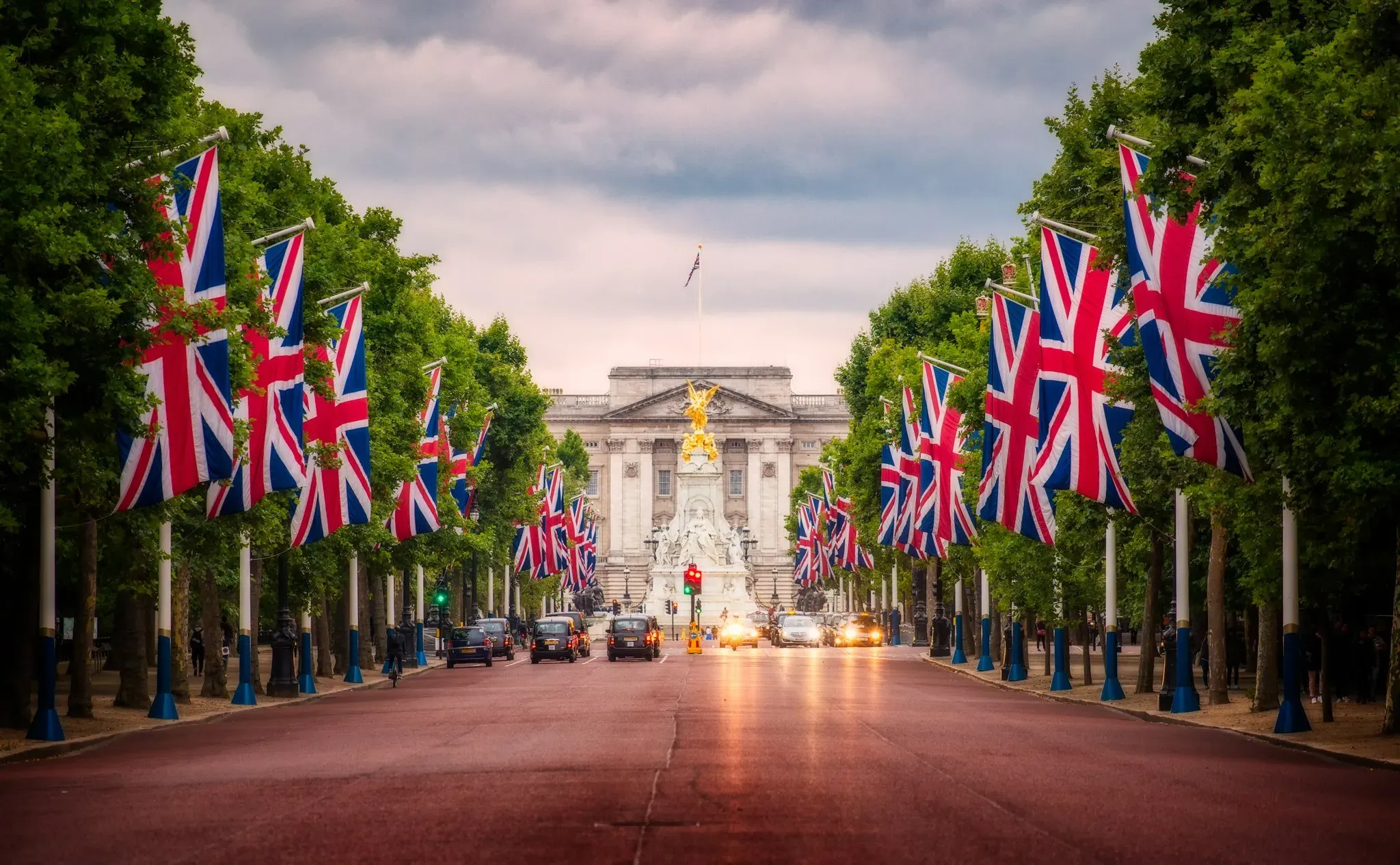
London’s double‑decker is both practical and poetic — two levels of perspective, two moods of travel. When operators introduced open‑top sightseeing, the upper deck turned into a balcony on the city: breezes over the Thames, dome lines of St Paul’s, the gilded angles of palaces, and those sudden, unforgettable views from bridges.
The hop‑on idea unlocked the day. Instead of rushing a checklist, riders stitched their own tapestry: a cathedral in the morning, markets and street food by midday, the Tower and bridges by afternoon, and lights after dark. Flexibility is the quiet genius of the format — guided when you like it, independent when you want it.
Routes, colors, and landmarks
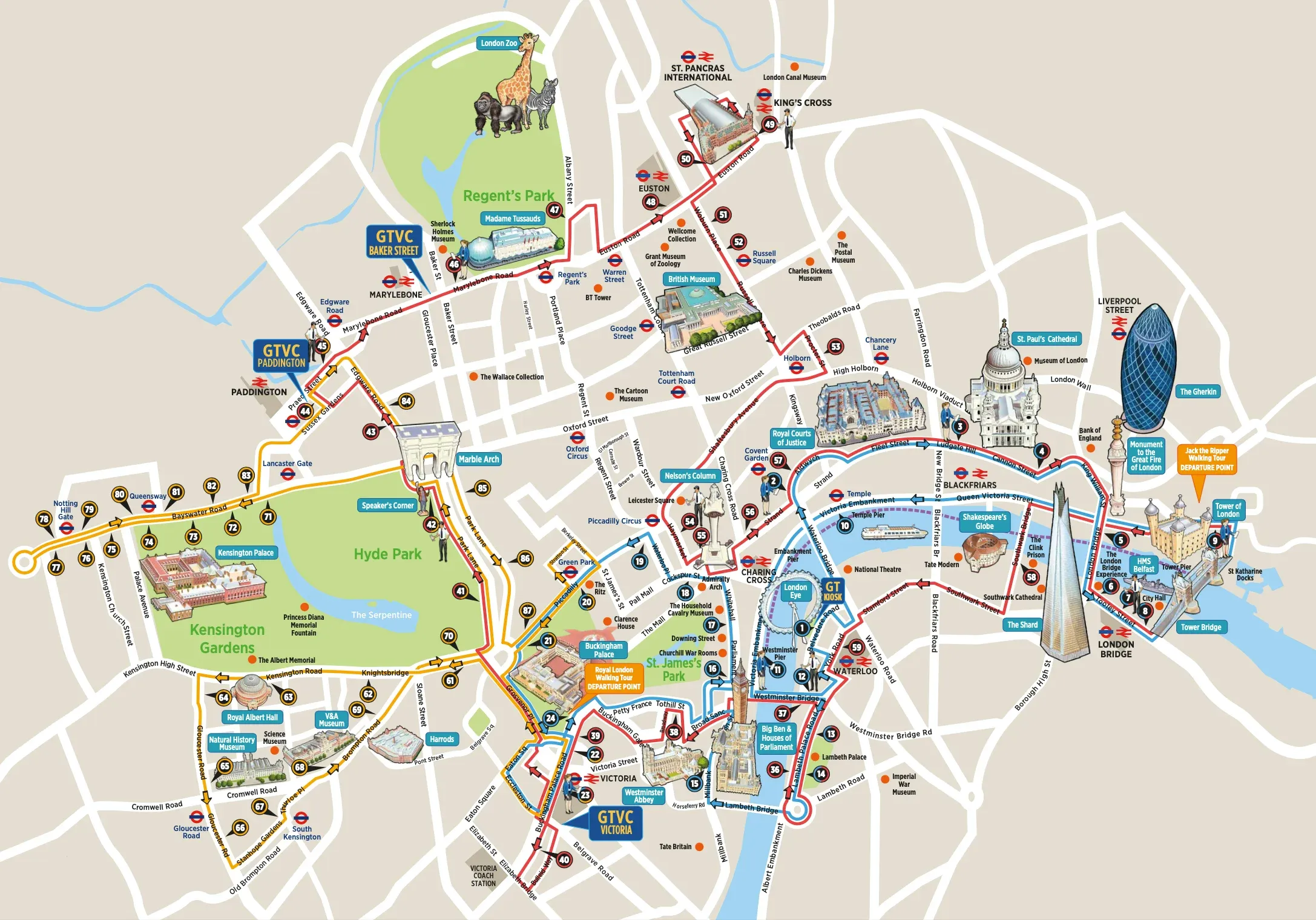
Color‑coded loops help first‑time visitors find their bearings. One route glides through Westminster and the West End — Big Ben, Whitehall, Trafalgar Square, and Buckingham Palace. Another curves through the City’s skyline to St Paul’s, the Tower, and Tower Bridge. A third drifts toward Kensington’s museums, Hyde Park, and Notting Hill.
Along the way, London’s styles stack neatly: Gothic revival meets classical symmetry, Victorian iron meets contemporary glass. The bus windows frame stories — a guard’s march outside the palace, skaters on the South Bank, office towers catching silver light in the City — small scenes that feel like London’s heartbeat.
Narration: live guides and audio
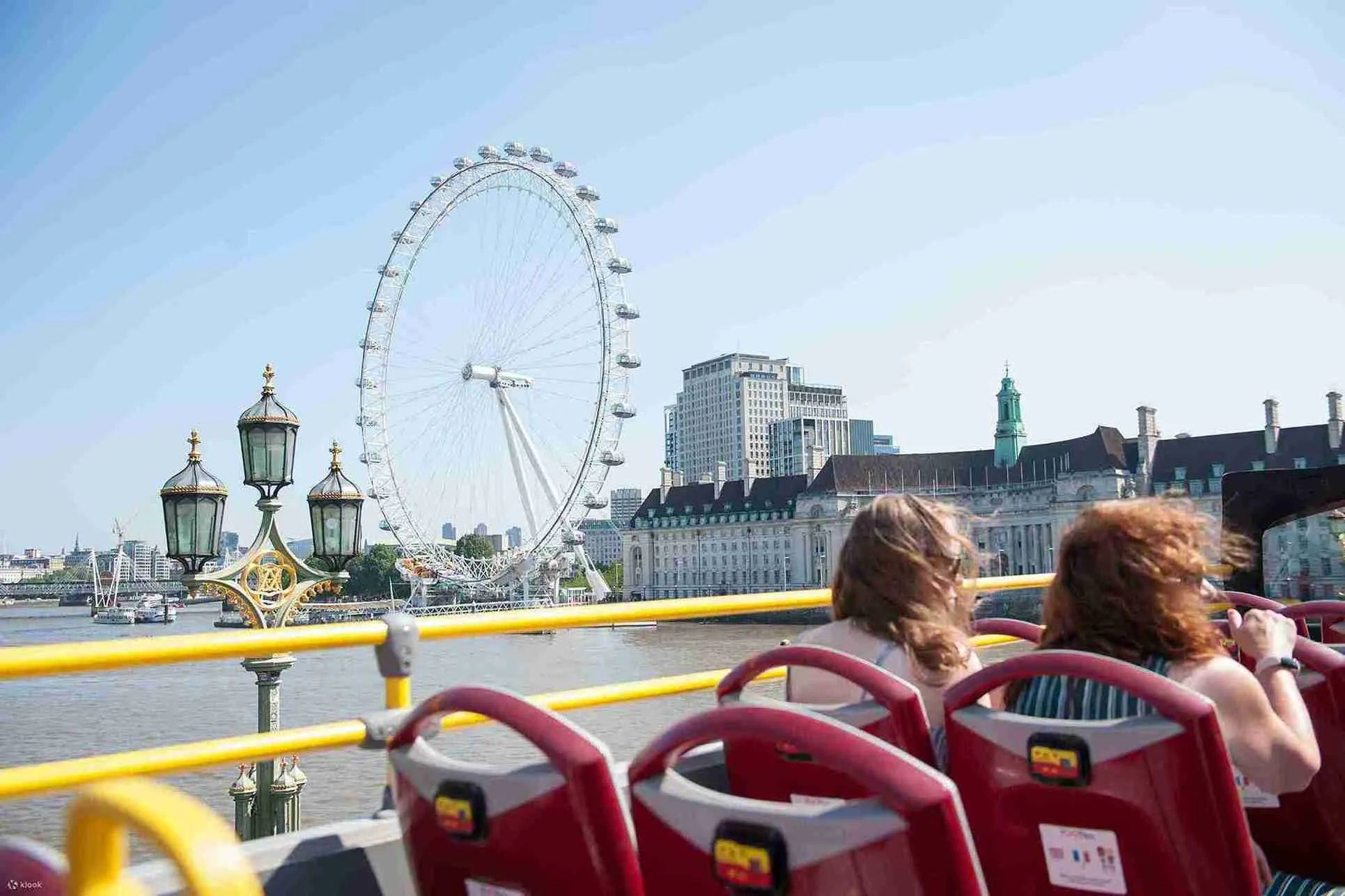
Commentary turns buildings into characters. Live hosts share humor and historic detail, while audio guides offer multilingual narration with seasonal tips and little local secrets about where to hop off for the best views or quiet corners.
Earphones and app‑based guides keep things effortless. Families appreciate kid‑friendly tracks; history fans enjoy deeper dives; solo travelers can tune their day to the stories that resonate.
Parks, palaces & river scenes
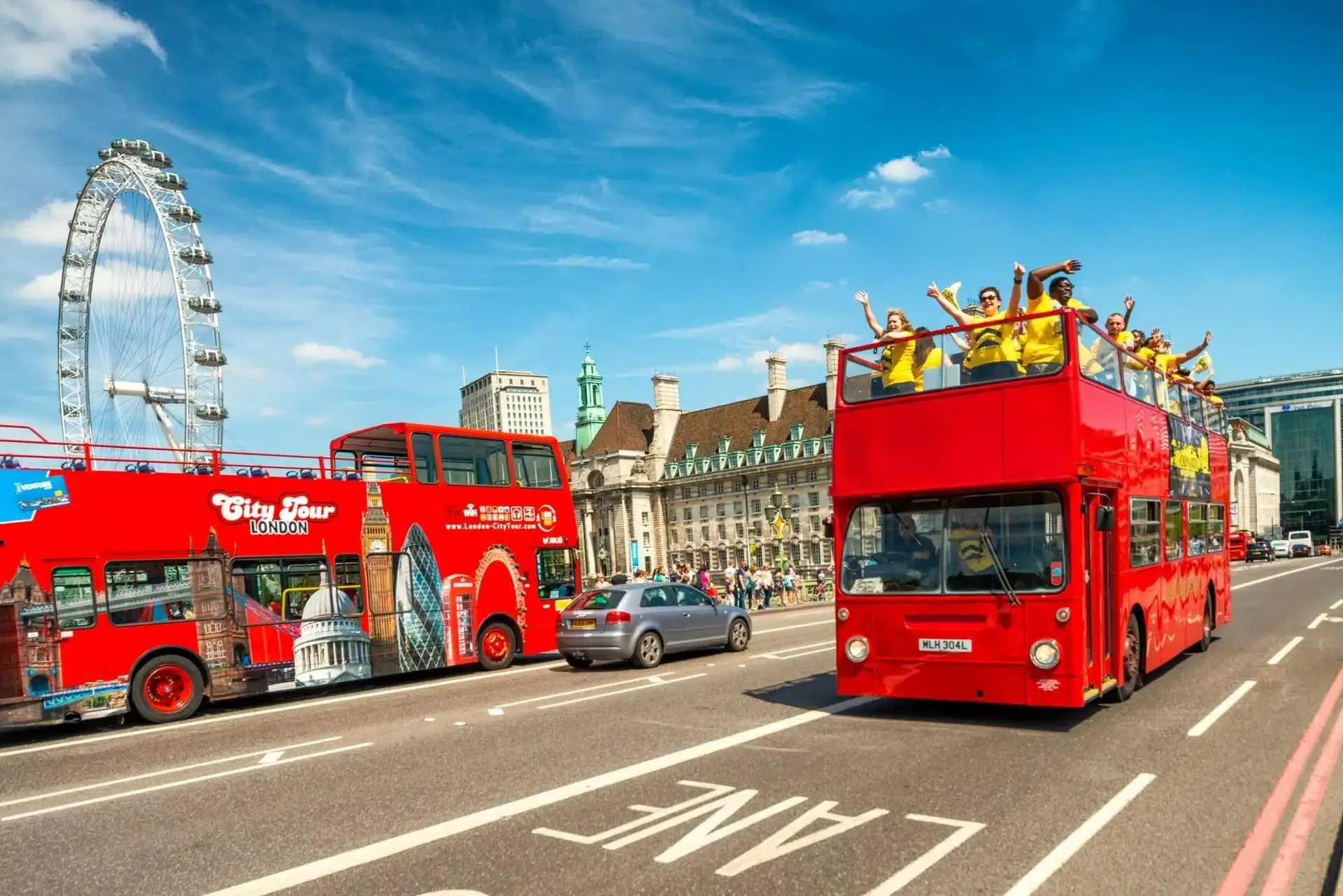
Green London threads through the routes — Hyde Park’s open lawns, St James’s Park’s swans and footbridges, and tree‑lined avenues near Kensington Palace. Hop off and everything slows: a bench, a coffee, the city exhaling.
River scenes are the city’s lullaby. From the upper deck you watch the Thames widen and tighten, bridges in elegant procession, boats sliding past — then hop down to the piers for a cruise that retells the skyline at water level.
Stops, boarding & accessibility
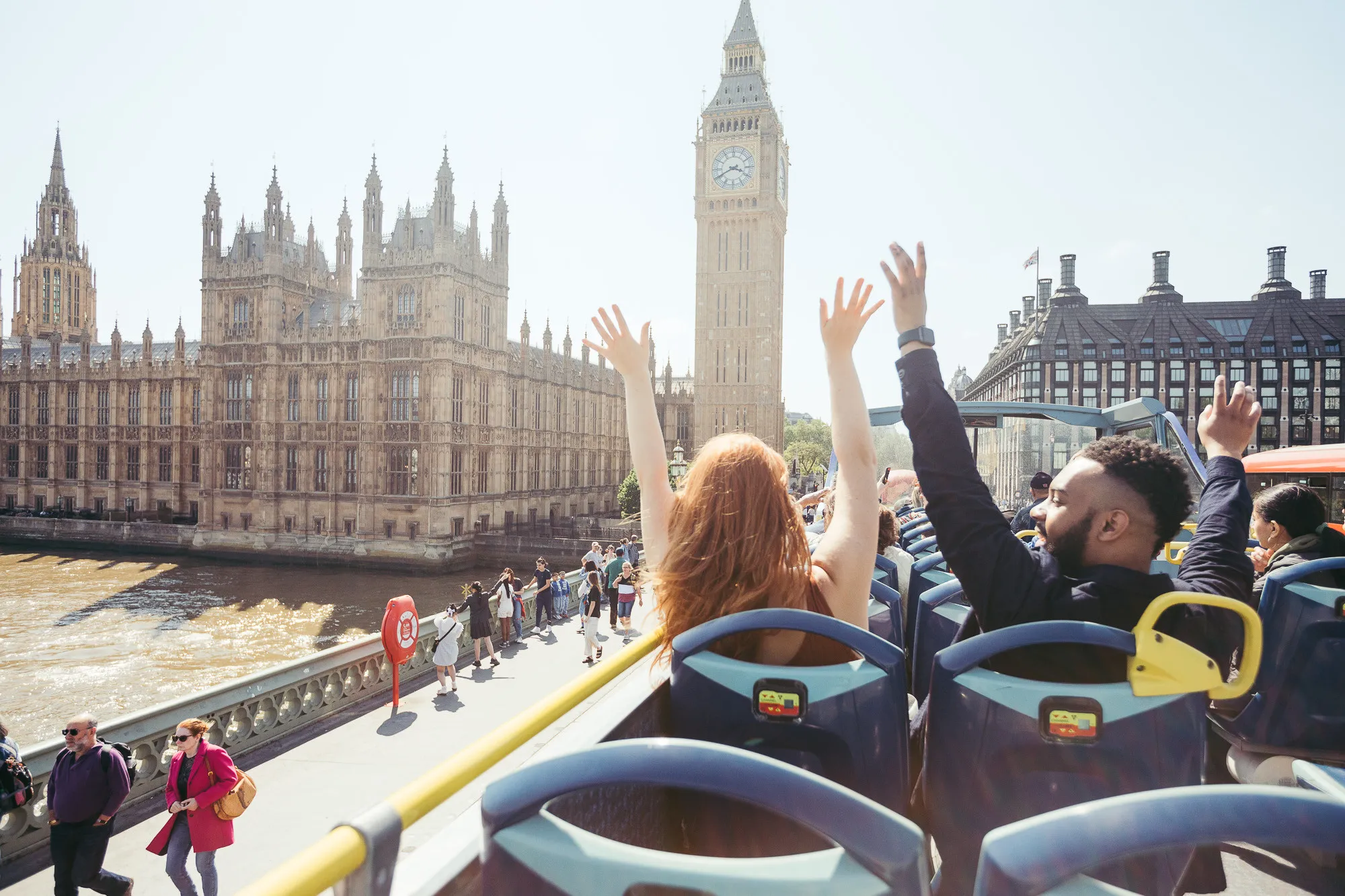
Stop markers, clear timetables, and staff at major hubs make boarding simple. Digital passes scan quickly; paper tickets are rare. Low‑floor buses, reserved spaces, and step‑free stops improve access for more riders.
Apps show live arrivals and any temporary diversions during events or roadworks. If a stop is moved, signs and staff will guide you — London is busy but friendly when you ask.
Traffic, seasons & timing
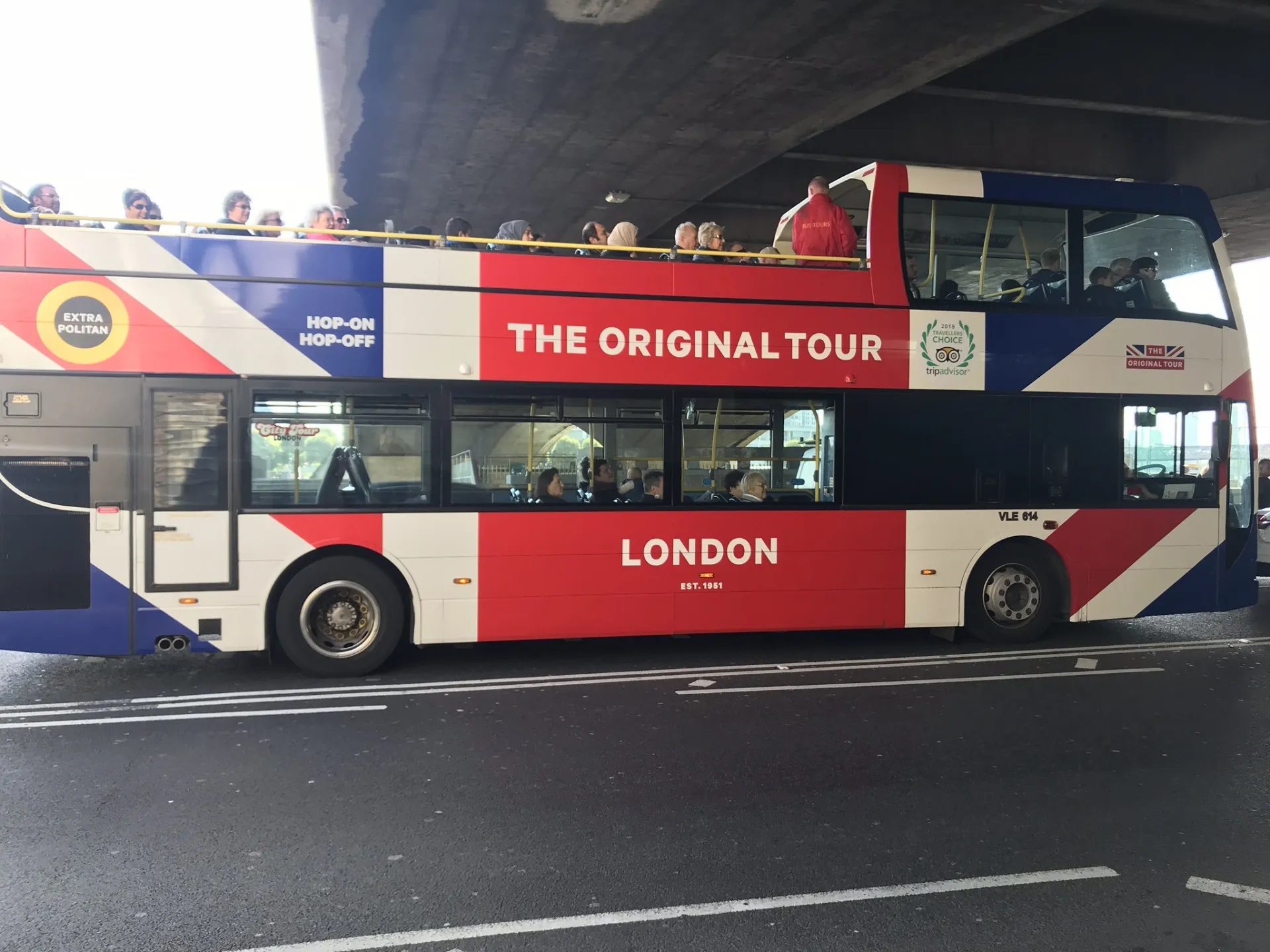
Traffic is part of London’s texture. Expect slower sections around Westminster, Trafalgar Square, and the City during peak hours. The trick is to treat it as time for photos and narration rather than a delay.
Season shapes mood: spring’s blossoms in the parks, summer’s long golden evenings, autumn’s crisp air over the river, winter’s sparkle after dark. Timetables adjust accordingly; frequency rises with demand.
Safety, comfort & etiquette
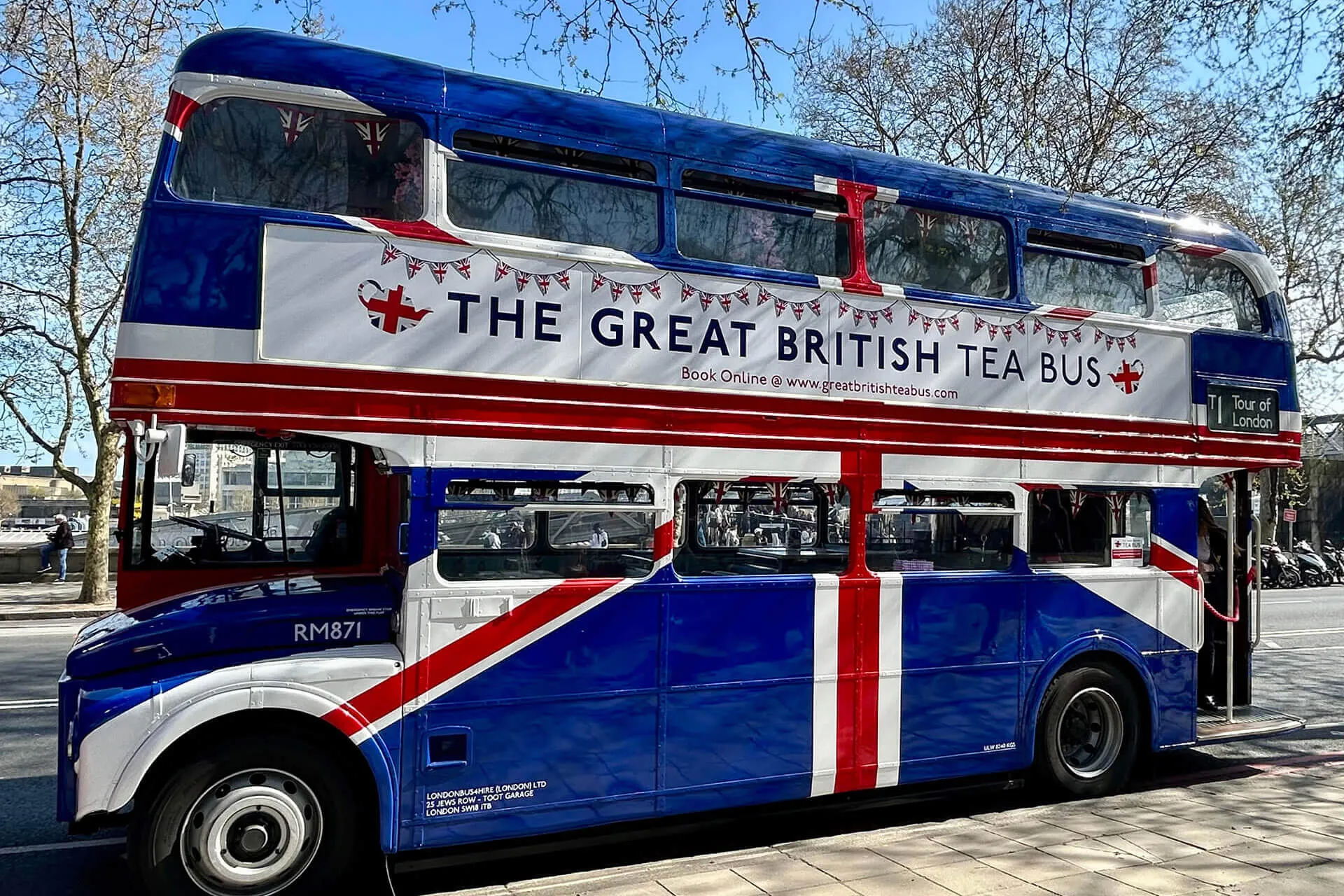
Safety rails and speed limits keep the upper deck calm. Keep bags close, hold onto handrails on stairs, and be mindful of branches on tree‑lined avenues.
Comfort is simple: a light jacket, sunscreen, and water help on breezy or bright days. Share seats considerately and let families sit together — small courtesies keep the mood cheerful.
Culture, events & night tours
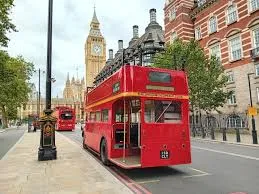
London’s calendar brings surprises — marathons, parades, state occasions. Routes adapt; staff will point you toward alternate stops. Night tours add a different kind of drama: illuminated bridges, glowing domes, and reflections on the Thames.
Seasonal lights at Christmas, summer festivals on the South Bank, and pop‑up art turn ordinary rides into small celebrations — the city loves to perform.
Tickets, passes & extras
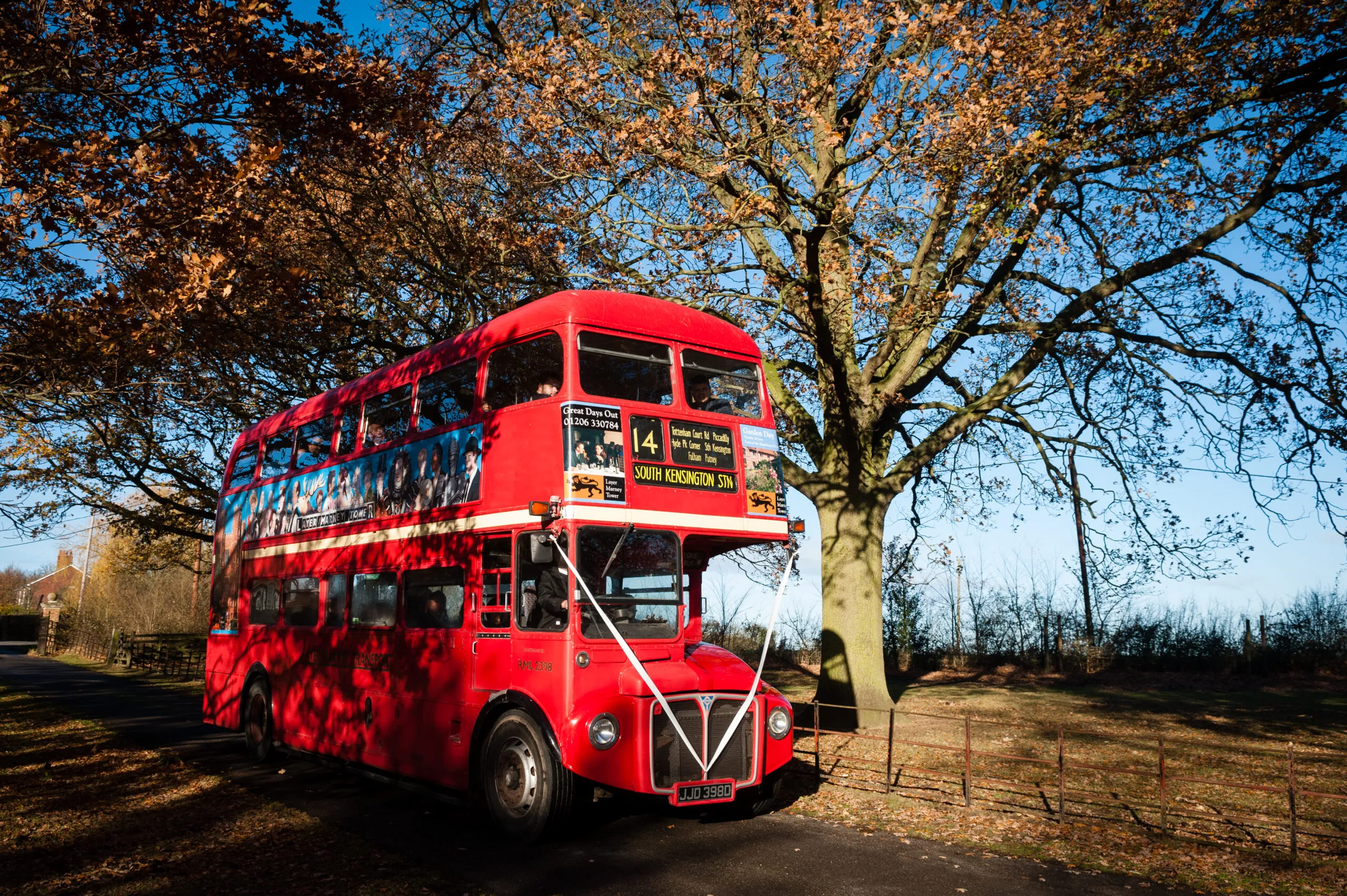
Passes usually run 24, 48, or 72 hours from first scan. Add ons include Thames cruises, guided walks, and night tours — each offering a new angle on familiar streets.
Look for family bundles, student rates, and combo offers with attractions like the Tower, Buckingham Palace exhibits, or the London Eye.
Sustainability & modern fleets
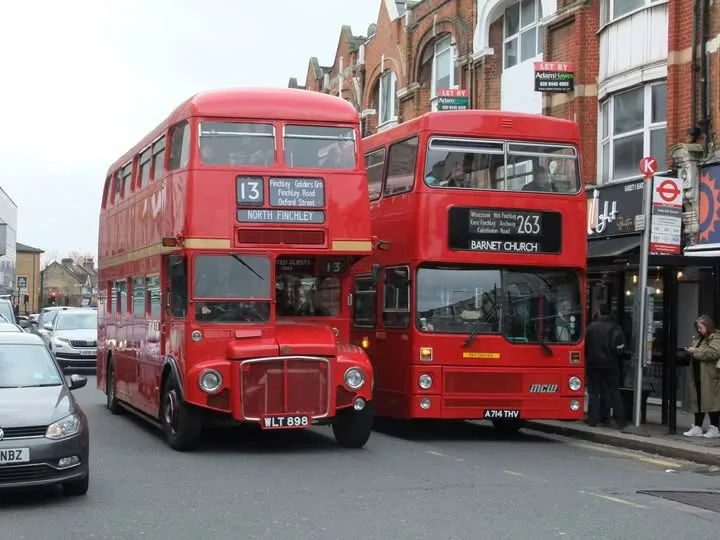
Fleets have evolved toward lower emissions and better accessibility. Modern engines, careful maintenance, and route planning help reduce the footprint while keeping frequency high.
Riding a shared bus concentrates sightseeing travel and eases the pace on busy streets — a small but meaningful step toward gentler city days.
Nearby neighborhoods & detours
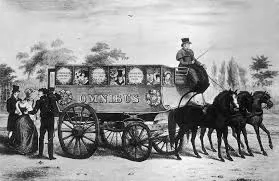
Hop off for neighborhood flavor: Covent Garden’s theatres and street shows, Soho’s cafés and music, Notting Hill’s pastel terraces and market days, or Kensington’s museum mile.
Short detours reward curiosity — a side street with bookshops, a hidden courtyard, a riverside bench. The bus will be along soon; London invites wandering.
Why these tours endure
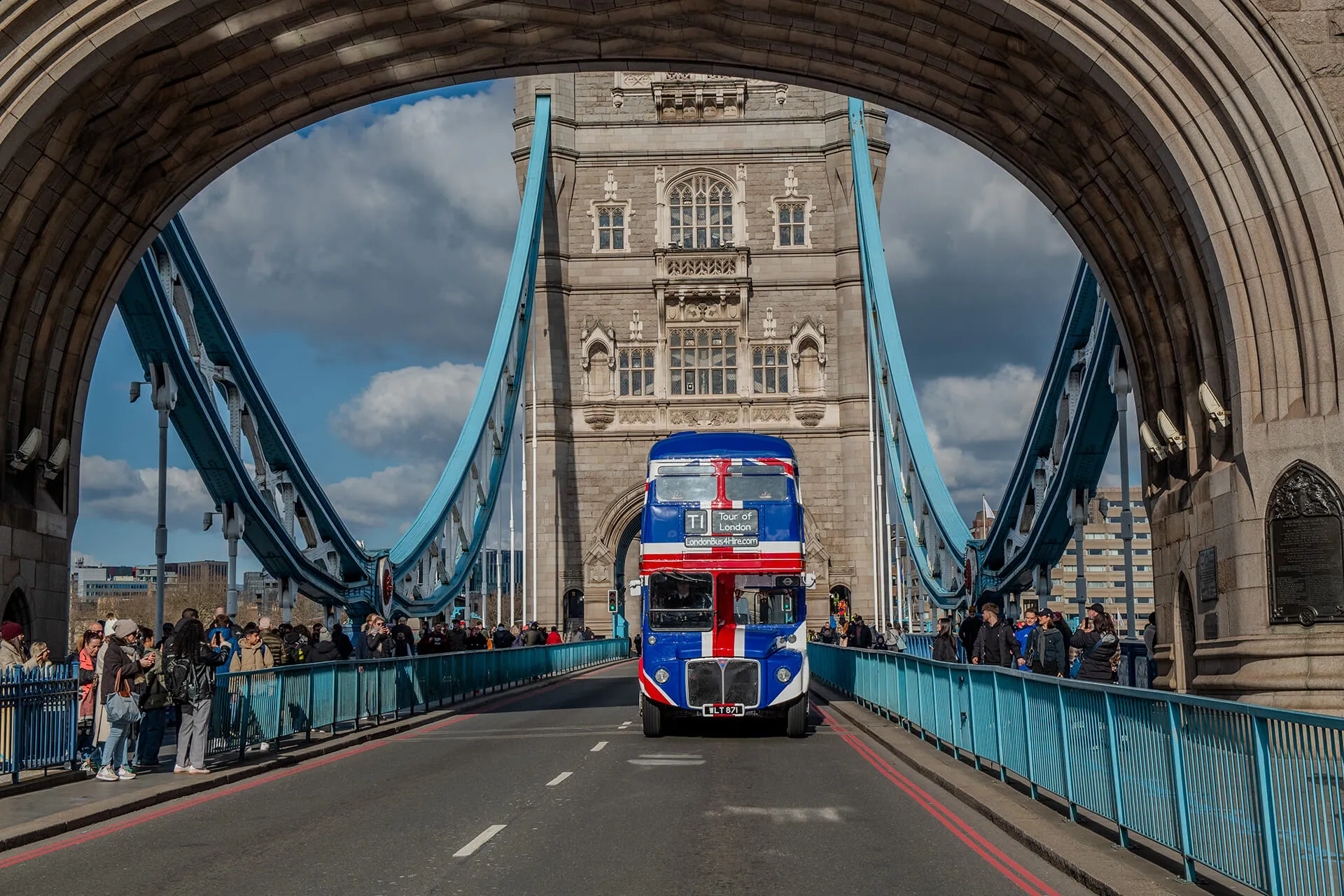
Hop‑on hop‑off tours endure because they give time back. You choose your moments, your angles, your pauses — and the city meets you halfway with stories and views.
They are part guide, part companion: helpful when you need direction, invisible when you want to explore. In a fast city, that kindness matters.
Table of Contents
Origins of London sightseeing
Sightseeing in London began long before microphones and maps. Visitors rode horse‑drawn omnibuses and later early motor buses simply to reach markets, museums, and theatres — and discovered that the journey itself was part of the show. The city’s architecture lined up like chapters: medieval towers, neoclassical porticoes, Victorian arcades, and glass‑and‑steel modernity.
As tourism grew, guided rides emerged: fixed routes, a few scheduled stops, a host pointing out details that locals passed every day. From these modest beginnings came a simple wish that reshaped touring — to pause where curiosity sparked and continue when ready. Hop‑on hop‑off would become the traveler’s answer: the city on your terms, with a friendly framework to hold it together.
Double‑deckers and the hop‑on idea
London’s double‑decker is both practical and poetic — two levels of perspective, two moods of travel. When operators introduced open‑top sightseeing, the upper deck turned into a balcony on the city: breezes over the Thames, dome lines of St Paul’s, the gilded angles of palaces, and those sudden, unforgettable views from bridges.
The hop‑on idea unlocked the day. Instead of rushing a checklist, riders stitched their own tapestry: a cathedral in the morning, markets and street food by midday, the Tower and bridges by afternoon, and lights after dark. Flexibility is the quiet genius of the format — guided when you like it, independent when you want it.
Routes, colors, and landmarks
Color‑coded loops help first‑time visitors find their bearings. One route glides through Westminster and the West End — Big Ben, Whitehall, Trafalgar Square, and Buckingham Palace. Another curves through the City’s skyline to St Paul’s, the Tower, and Tower Bridge. A third drifts toward Kensington’s museums, Hyde Park, and Notting Hill.
Along the way, London’s styles stack neatly: Gothic revival meets classical symmetry, Victorian iron meets contemporary glass. The bus windows frame stories — a guard’s march outside the palace, skaters on the South Bank, office towers catching silver light in the City — small scenes that feel like London’s heartbeat.
Narration: live guides and audio
Commentary turns buildings into characters. Live hosts share humor and historic detail, while audio guides offer multilingual narration with seasonal tips and little local secrets about where to hop off for the best views or quiet corners.
Earphones and app‑based guides keep things effortless. Families appreciate kid‑friendly tracks; history fans enjoy deeper dives; solo travelers can tune their day to the stories that resonate.
Parks, palaces & river scenes
Green London threads through the routes — Hyde Park’s open lawns, St James’s Park’s swans and footbridges, and tree‑lined avenues near Kensington Palace. Hop off and everything slows: a bench, a coffee, the city exhaling.
River scenes are the city’s lullaby. From the upper deck you watch the Thames widen and tighten, bridges in elegant procession, boats sliding past — then hop down to the piers for a cruise that retells the skyline at water level.
Stops, boarding & accessibility
Stop markers, clear timetables, and staff at major hubs make boarding simple. Digital passes scan quickly; paper tickets are rare. Low‑floor buses, reserved spaces, and step‑free stops improve access for more riders.
Apps show live arrivals and any temporary diversions during events or roadworks. If a stop is moved, signs and staff will guide you — London is busy but friendly when you ask.
Traffic, seasons & timing
Traffic is part of London’s texture. Expect slower sections around Westminster, Trafalgar Square, and the City during peak hours. The trick is to treat it as time for photos and narration rather than a delay.
Season shapes mood: spring’s blossoms in the parks, summer’s long golden evenings, autumn’s crisp air over the river, winter’s sparkle after dark. Timetables adjust accordingly; frequency rises with demand.
Safety, comfort & etiquette
Safety rails and speed limits keep the upper deck calm. Keep bags close, hold onto handrails on stairs, and be mindful of branches on tree‑lined avenues.
Comfort is simple: a light jacket, sunscreen, and water help on breezy or bright days. Share seats considerately and let families sit together — small courtesies keep the mood cheerful.
Culture, events & night tours
London’s calendar brings surprises — marathons, parades, state occasions. Routes adapt; staff will point you toward alternate stops. Night tours add a different kind of drama: illuminated bridges, glowing domes, and reflections on the Thames.
Seasonal lights at Christmas, summer festivals on the South Bank, and pop‑up art turn ordinary rides into small celebrations — the city loves to perform.
Tickets, passes & extras
Passes usually run 24, 48, or 72 hours from first scan. Add ons include Thames cruises, guided walks, and night tours — each offering a new angle on familiar streets.
Look for family bundles, student rates, and combo offers with attractions like the Tower, Buckingham Palace exhibits, or the London Eye.
Sustainability & modern fleets
Fleets have evolved toward lower emissions and better accessibility. Modern engines, careful maintenance, and route planning help reduce the footprint while keeping frequency high.
Riding a shared bus concentrates sightseeing travel and eases the pace on busy streets — a small but meaningful step toward gentler city days.
Nearby neighborhoods & detours
Hop off for neighborhood flavor: Covent Garden’s theatres and street shows, Soho’s cafés and music, Notting Hill’s pastel terraces and market days, or Kensington’s museum mile.
Short detours reward curiosity — a side street with bookshops, a hidden courtyard, a riverside bench. The bus will be along soon; London invites wandering.
Why these tours endure
Hop‑on hop‑off tours endure because they give time back. You choose your moments, your angles, your pauses — and the city meets you halfway with stories and views.
They are part guide, part companion: helpful when you need direction, invisible when you want to explore. In a fast city, that kindness matters.